


How to Learn to Make Clay Dishes – A Step-by-Step Guide
Pottery has been around for thousands of years. Even though you can easily buy dishes in any store today, working with clay remains one of the most popular hobbies. There is a special kind of satisfaction in pottery: you feel the material in your hands and watch a simple lump of clay slowly turn into a shape you created yourself. Even if you don’t have an art background and have never worked with clay before, it is still possible to learn the basics of ceramics. The important thing is to know where to start.
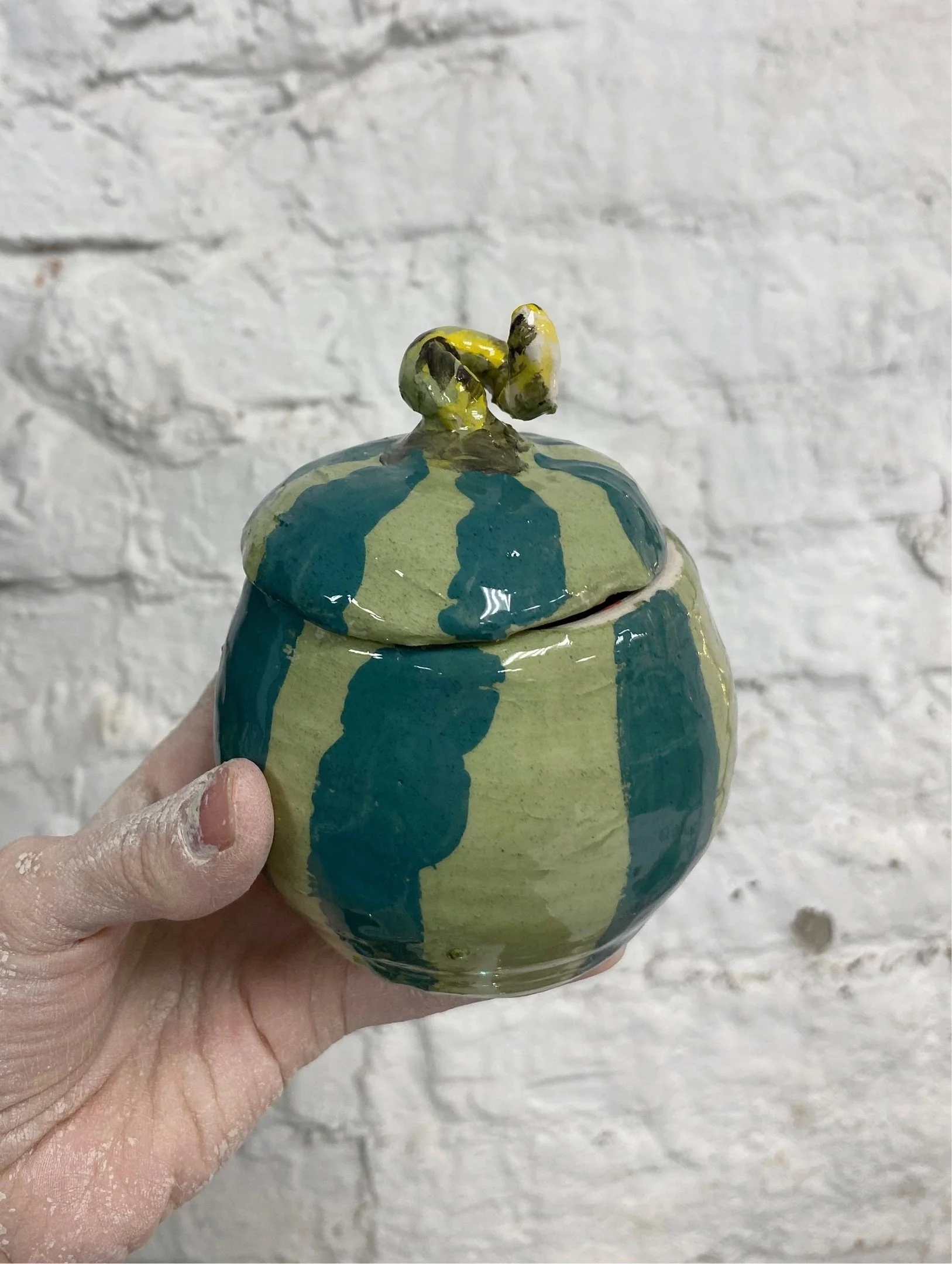
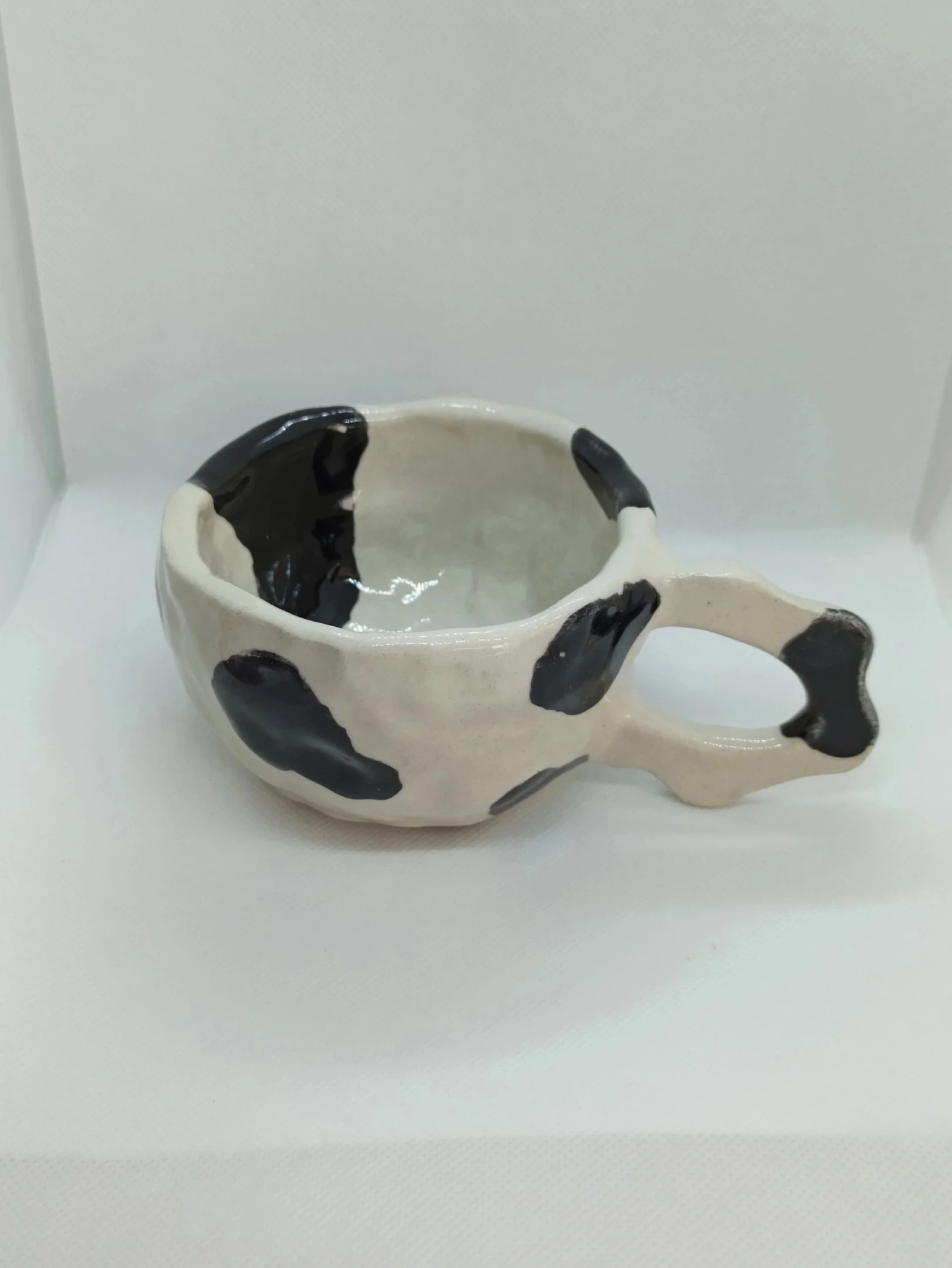
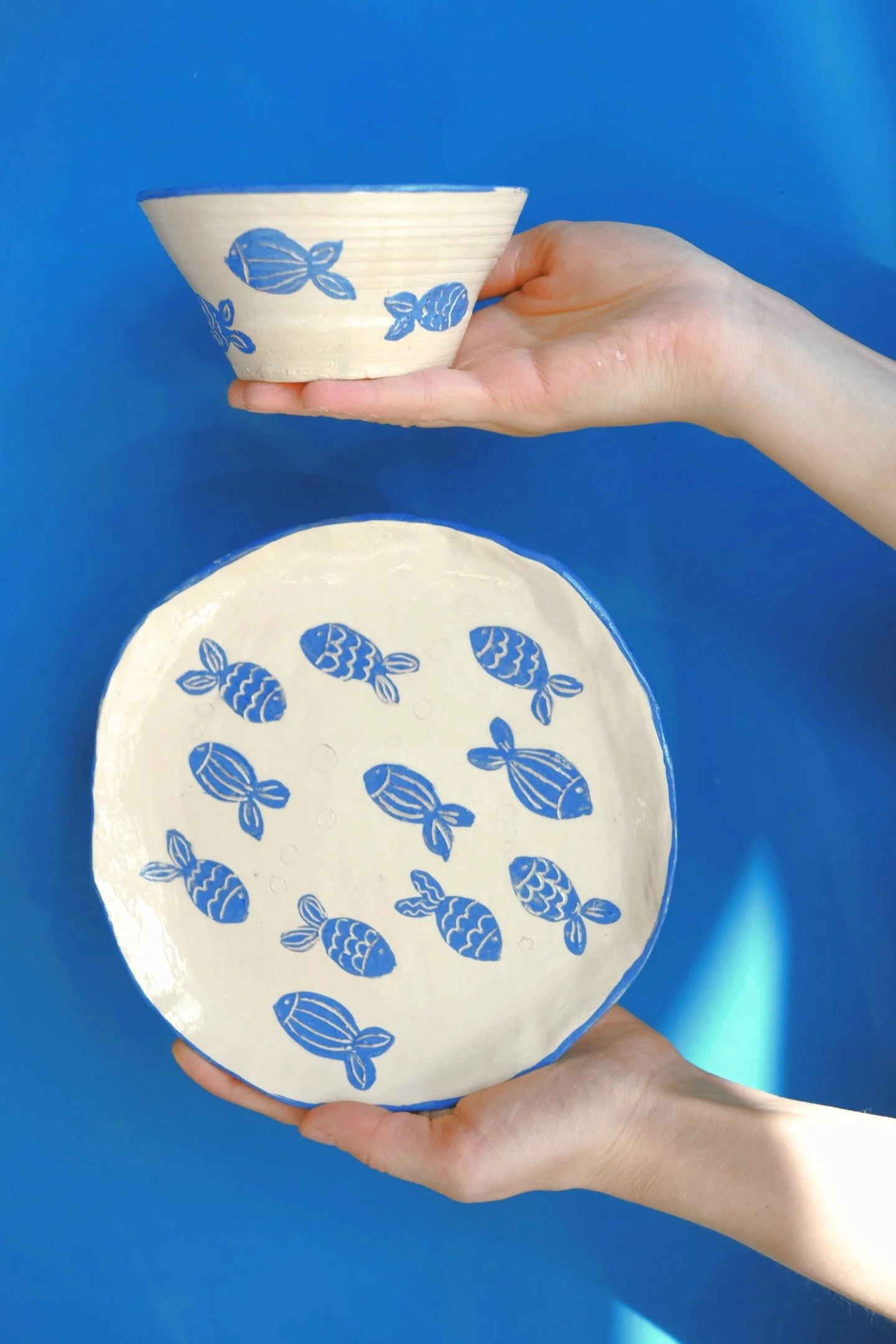
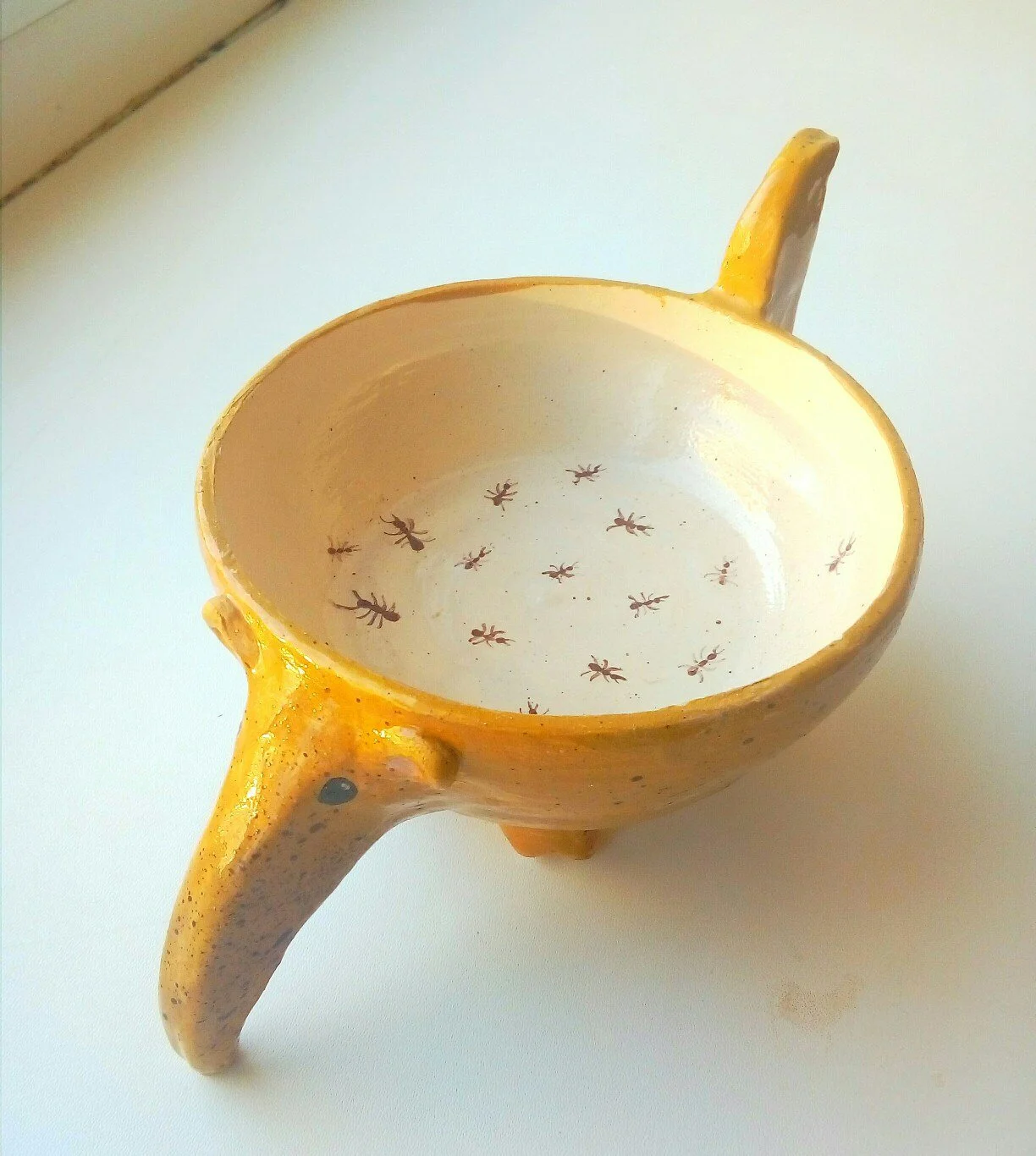
What You Need to Make Clay Dishes
If you want to learn how to make clay dishes at home, you will need not only clay but also a few basic tools. It’s best to start with simple techniques before buying expensive equipment.
A basic beginner pottery kit usually includes:
clay
a working surface
a container with water
tools such as a rib, wire cutter, sponges, and molds
paints and brushes for decoration
Keep in mind that without a kiln it’s difficult to make strong dishes that can be used for cooking or food. However, if you just want to see whether pottery is the right hobby for you, you can start by making decorative clay pieces without firing them.
Do You Need a Pottery Wheel?
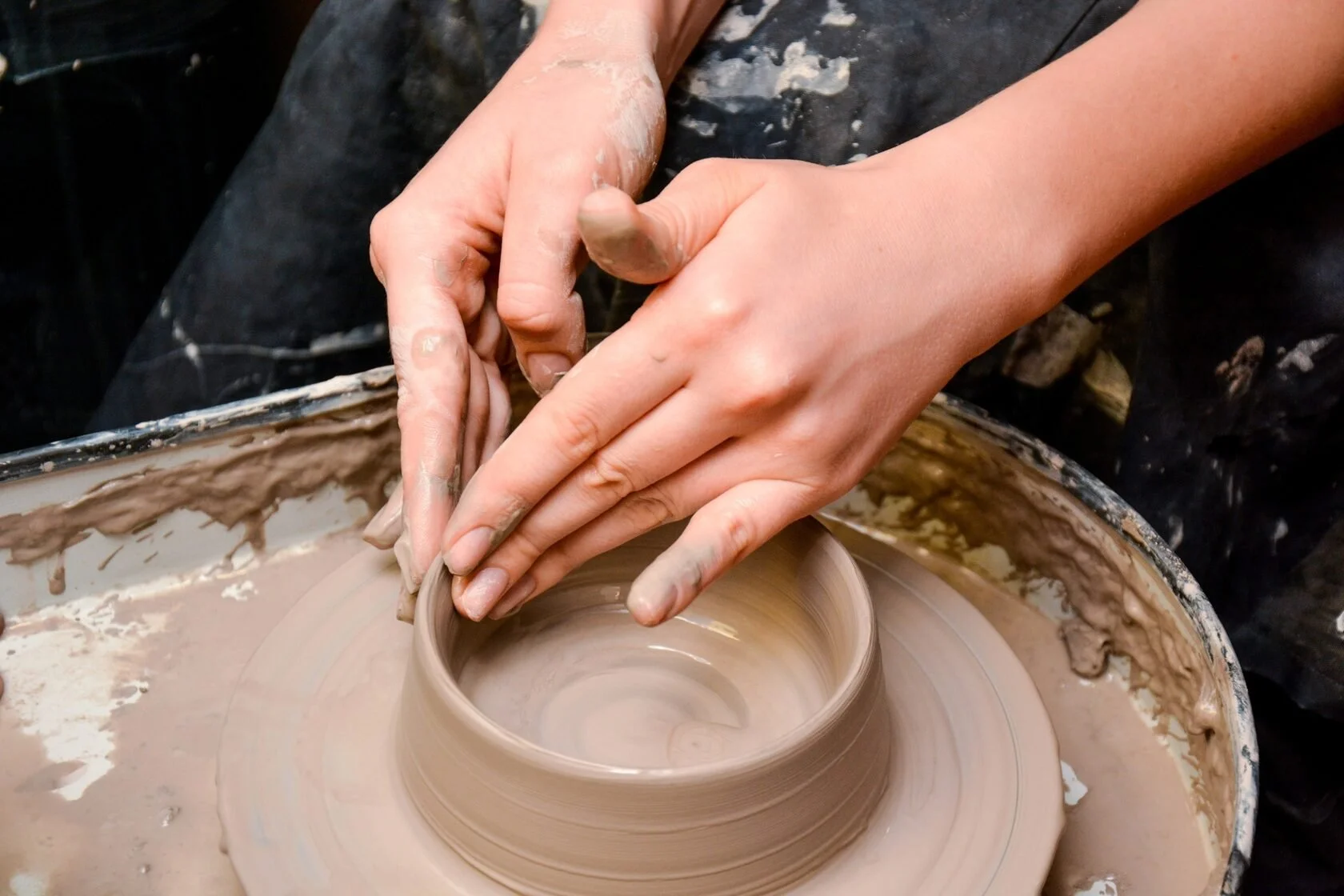
When people think about working with clay, the first thing that comes to mind is a pottery wheel. In reality, it is not the most important tool for beginners. You can create many interesting dishes without using one. Hand-building often gives you even more freedom for creativity and self-expression.
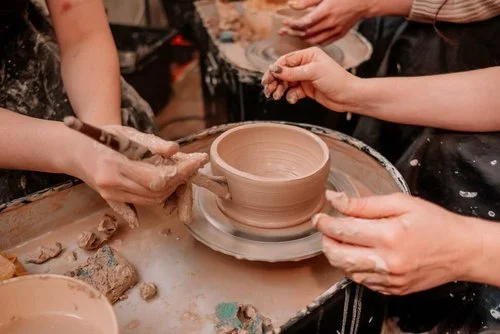
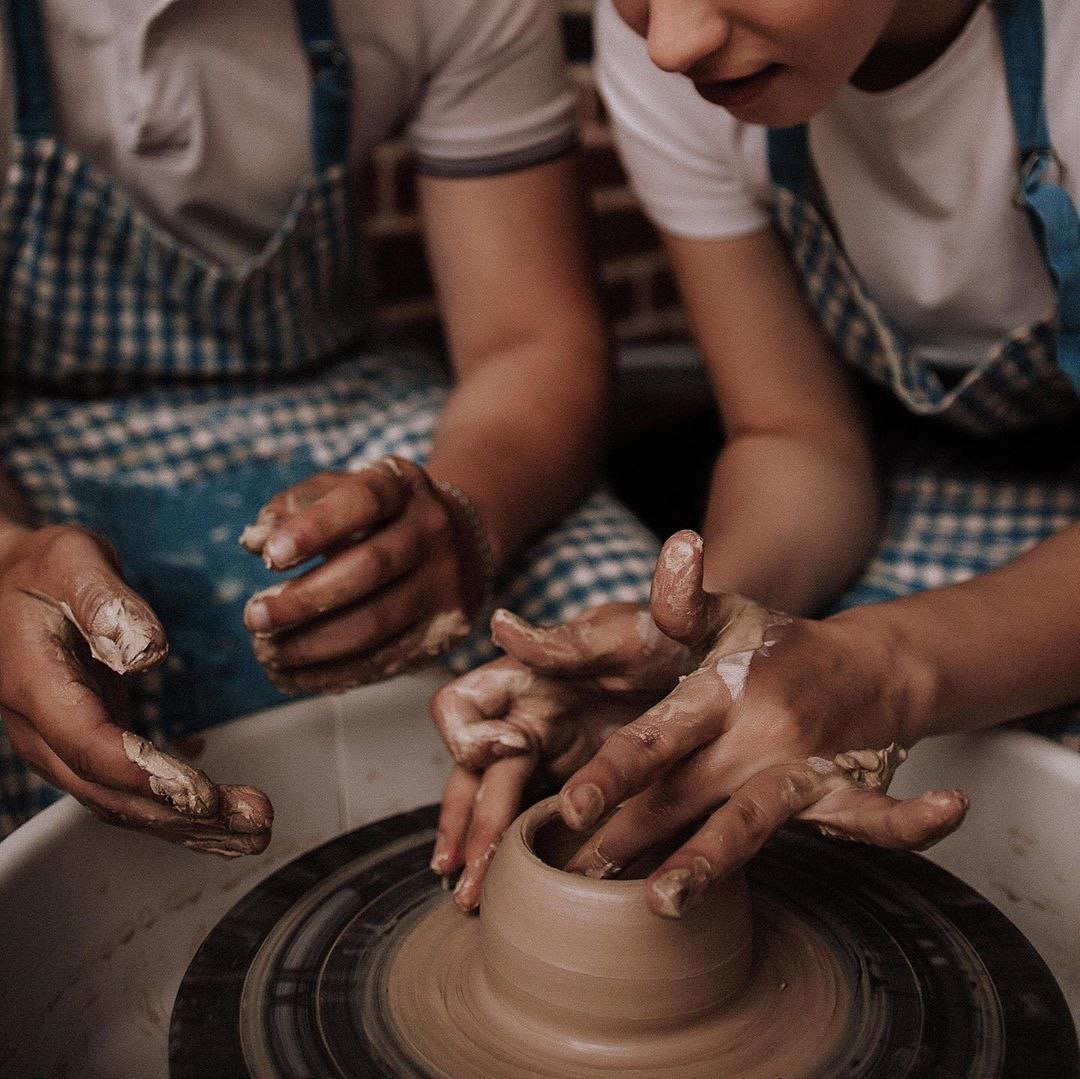
However, if you want to work more professionally or plan to make handmade pottery for sale, a pottery wheel becomes very useful. It helps create the symmetry and thin walls typical of classic ceramics. If you decide to learn wheel throwing, it’s usually best to start under the guidance of an experienced instructor at a class or workshop.
Types of Clay
Different types of natural and polymer clay can be used for modeling. But that doesn’t mean you can simply dig up clay in your backyard and start making dishes. It’s better to buy clay from a specialized craft or art supply store, since not every type of clay is suitable for pottery.
The main types of clay used for modeling include:
Earthenware clay – soft, easy to shape, and fired at relatively low temperatures.
Chamotte (grog) clay – denser and rougher; after firing it becomes very strong.
Porcelain clay – the most demanding type; it requires high firing temperatures and careful work, so it’s better for experienced ceramic artists.
Colored clay – contains iron and other minerals, which give it red, brown, or gray shades.
Polymer clay – mainly used for decorative pieces.
Beginners are usually advised to start with white or red earthenware clay because it is easier to work with. Polymer clay is another option, but it’s important to remember that it is actually a type of plastic that hardens after baking. Items made from it are decorative and are not meant for cooking or serving food.
Techniques for Making Clay Dishes
There are many ways to make ceramic pieces, but not all of them are suitable for beginners. When starting out, it’s better to use simple clay techniques to understand how the material behaves and how to work with it.
Some popular techniques include:
Slab technique – the clay is rolled into a thin slab, and the parts of the piece are cut from it. This method works well for plates, trays, and flat decorative shapes.
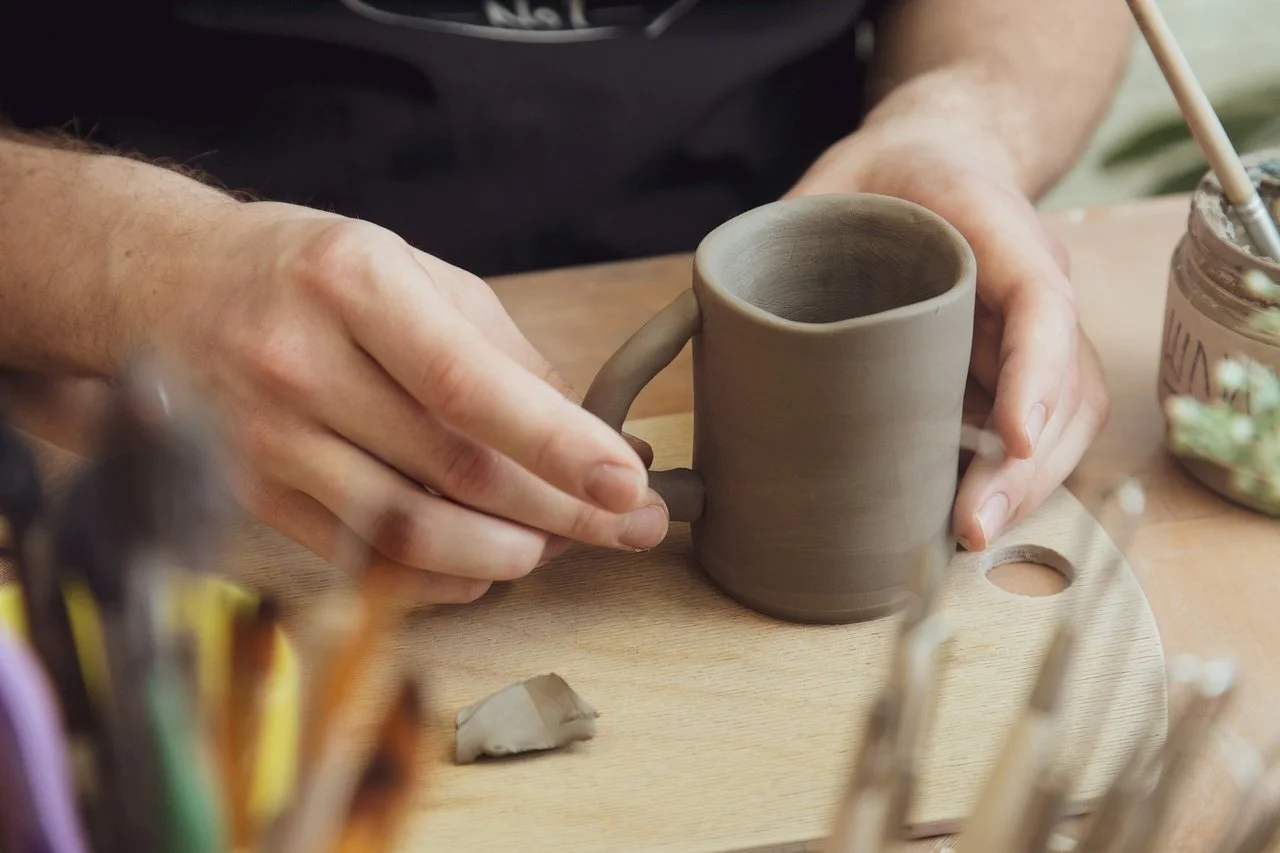
Coil technique – long coils of clay are formed and stacked on top of each other, then smoothed together. This technique is often used for cups, jugs, and pots.
Pinch pot method – the piece is shaped from a single lump of clay by pressing and pinching it with your fingers. It’s simple and intuitive, which makes it great for beginners.
Wheel throwing – clay pieces are formed on a pottery wheel.
Molding – plaster, silicone, or plastic molds are used to create several identical clay pieces.
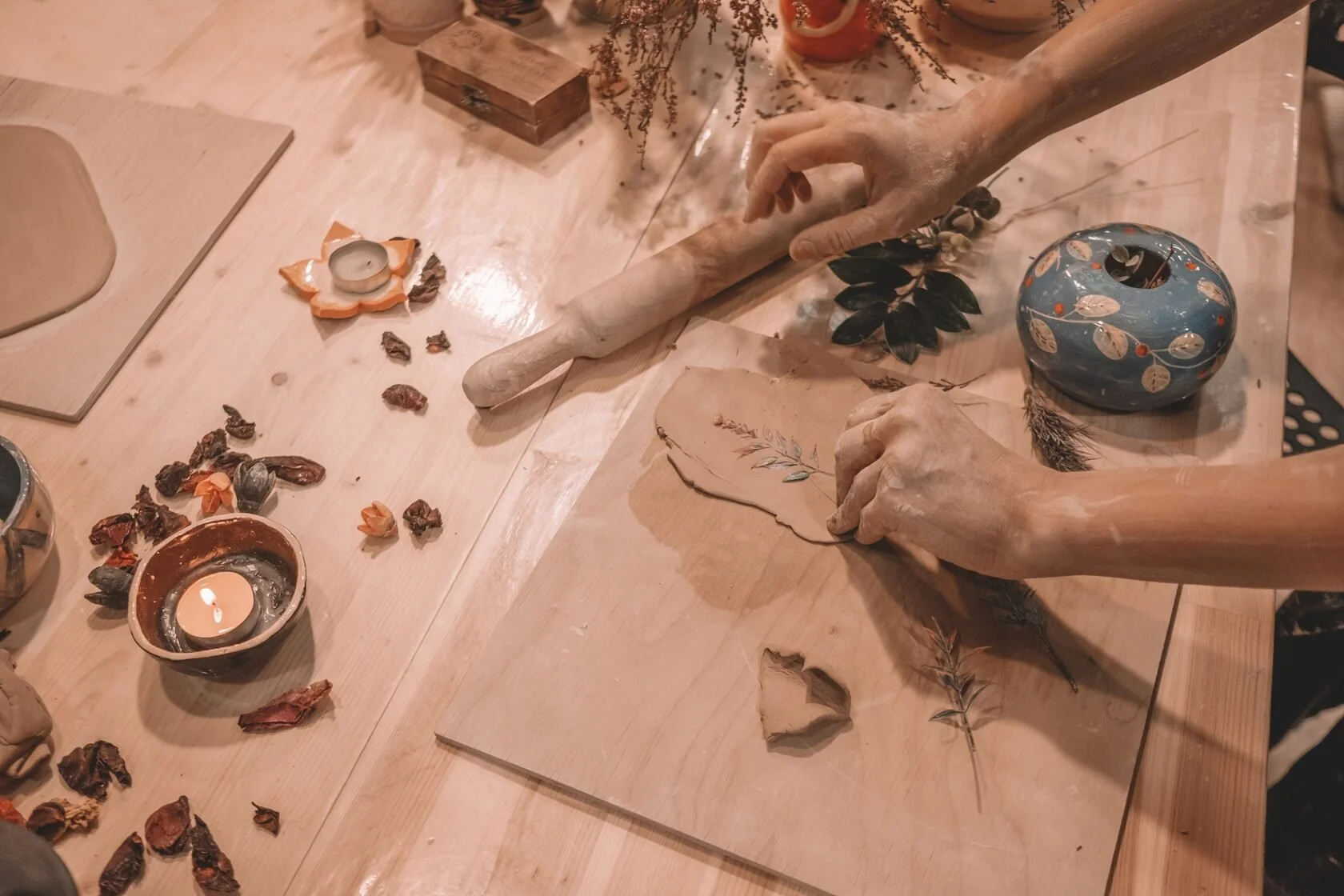
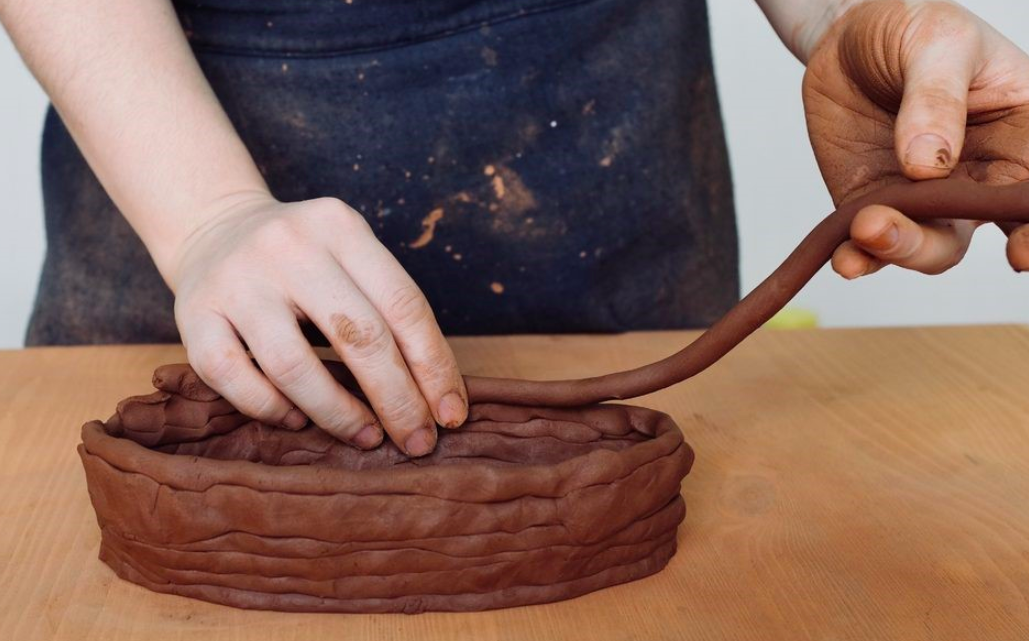
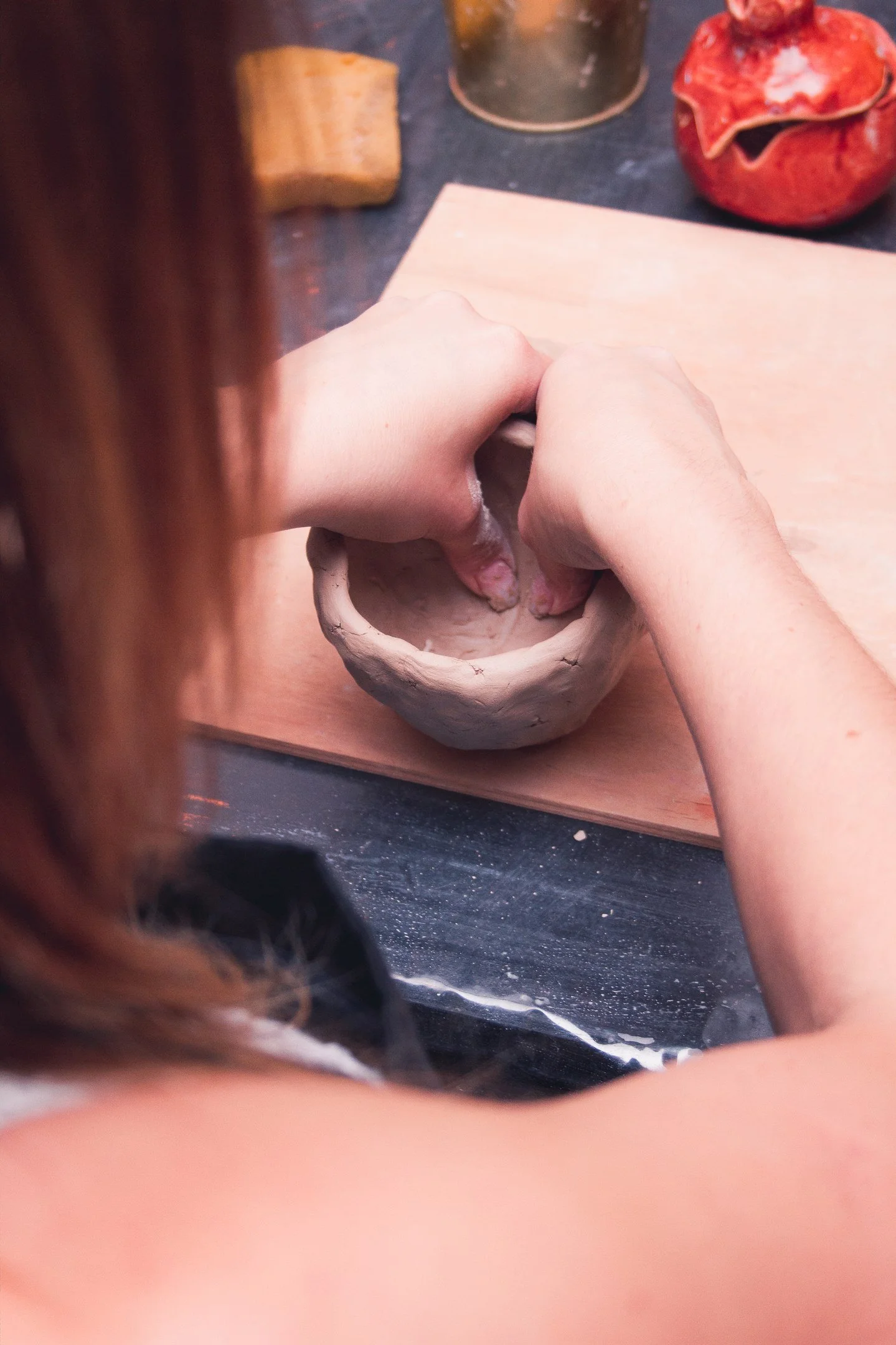
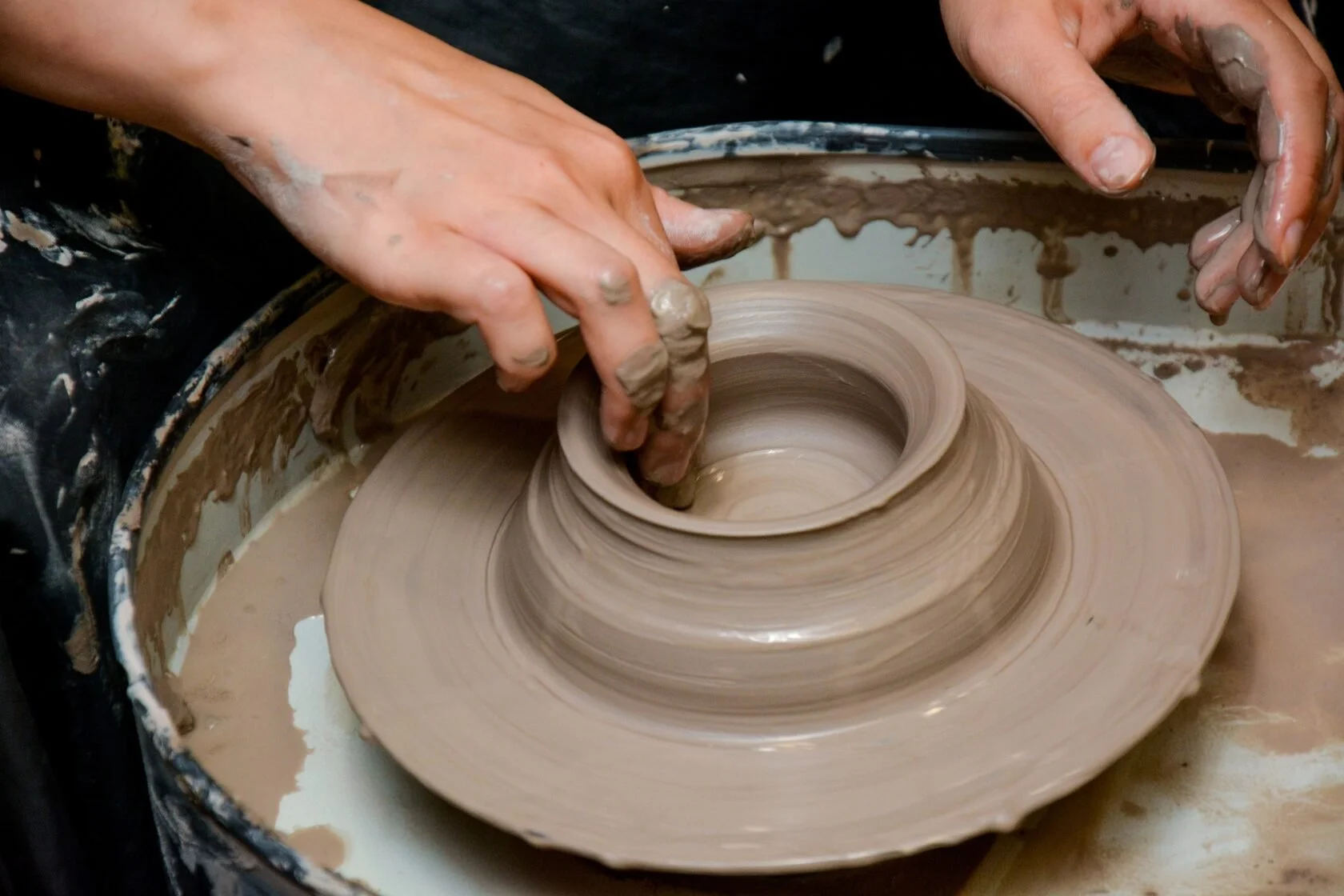
Each method has its own charm, and it’s worth learning different techniques and combining them. For example, you can make a bowl using the pinch method and add a handle created with the coil technique
Further Processing
Shaping the clay dish is only part of the process. After modeling, the piece must dry carefully so it doesn’t crack or lose its shape. Clay items should dry slowly in the shade, away from drafts and heaters. Drying can take several days, depending on the thickness of the walls.
The next step is firing. A regular kitchen oven is not suitable because ceramics are usually fired at around 900°C. As a simple experiment, you can make clay dishes at home without firing, but keep in mind that unfired clay remains fragile and can soften when exposed to water. Without firing, it is also impossible to move on to the next stage — glazing.
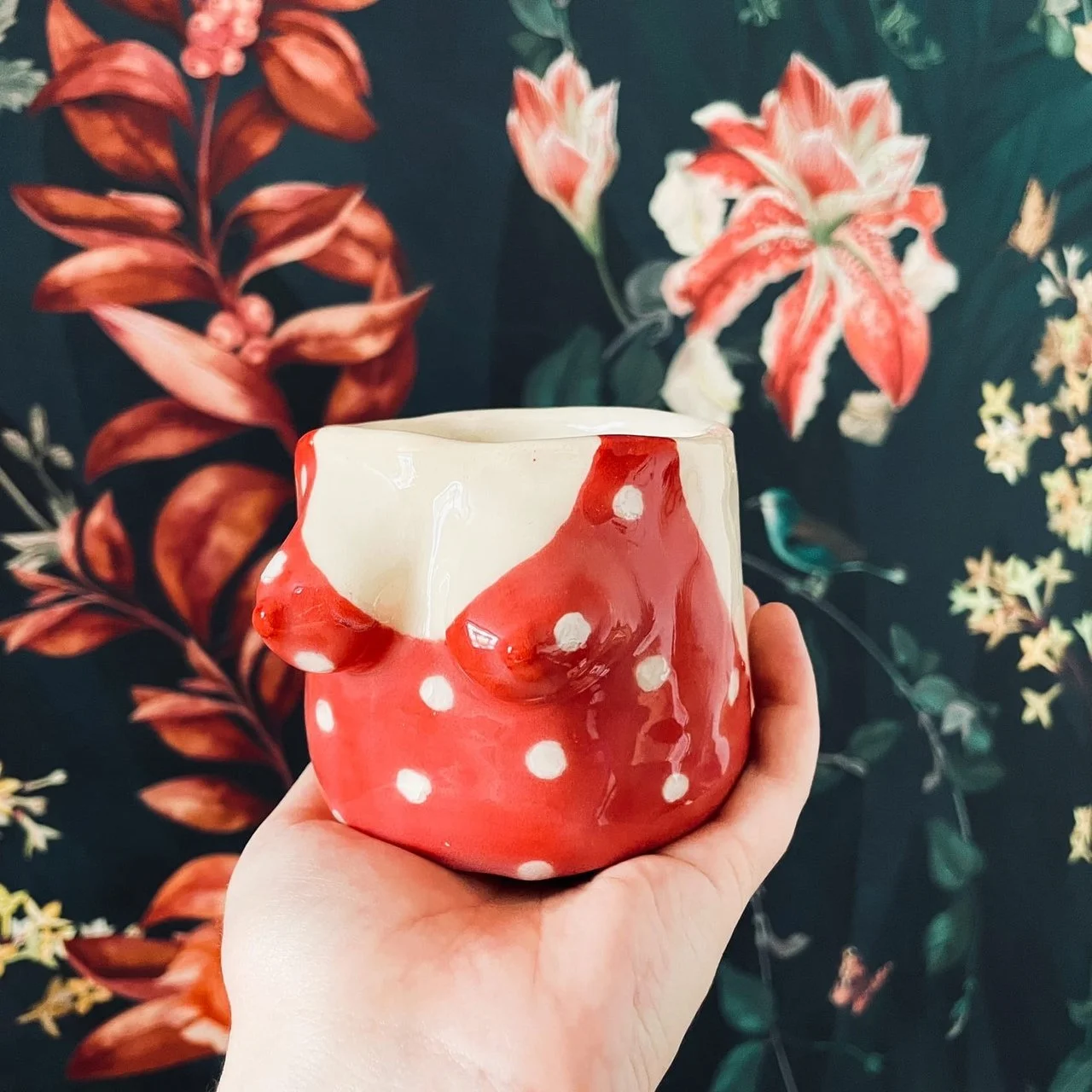
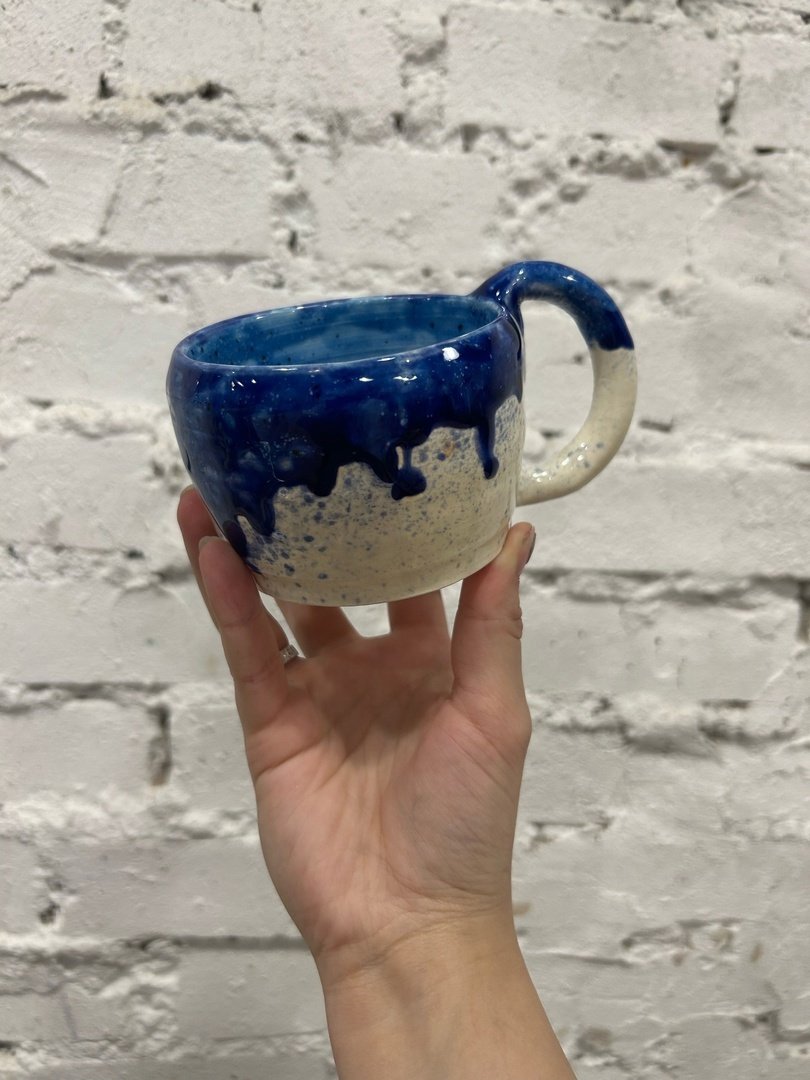
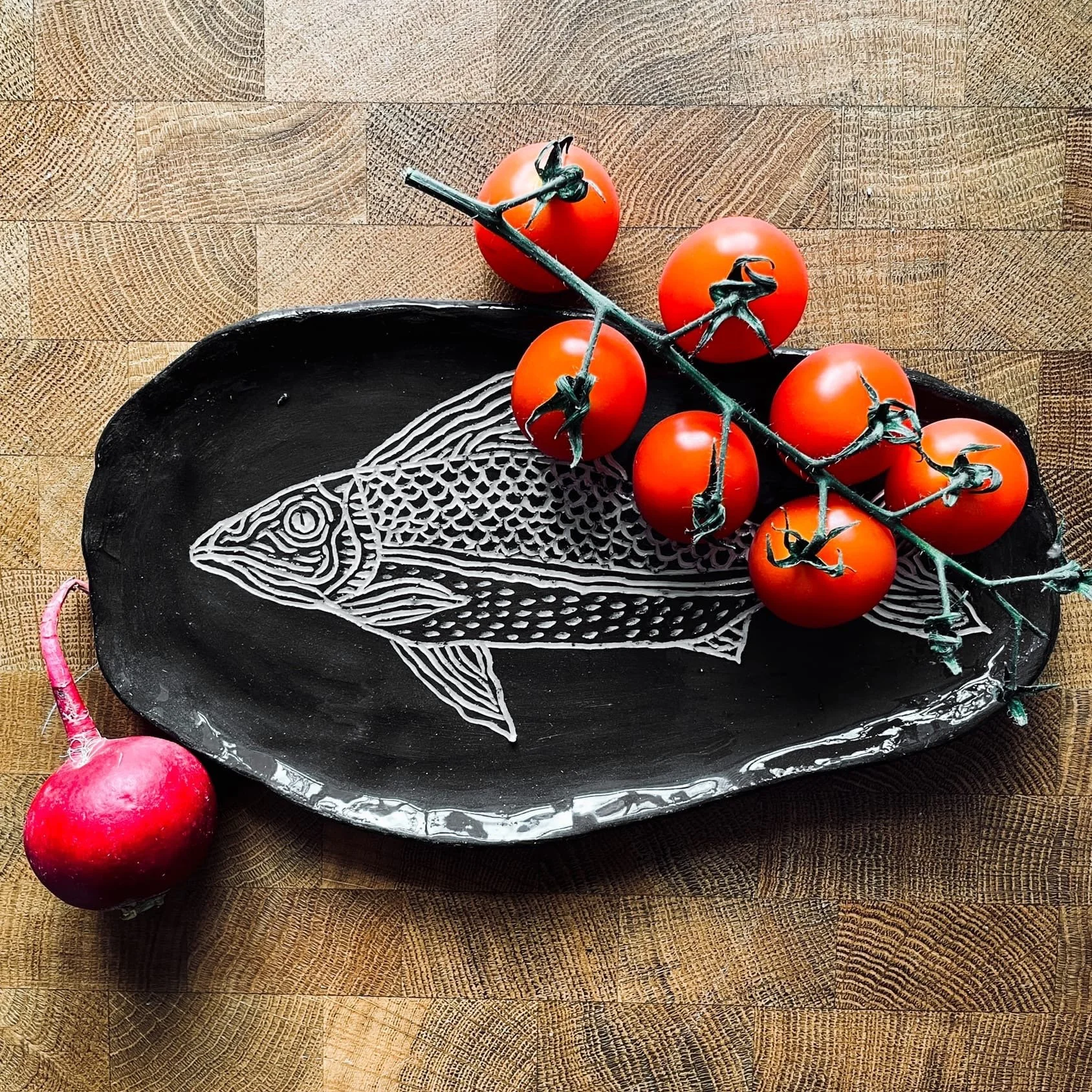
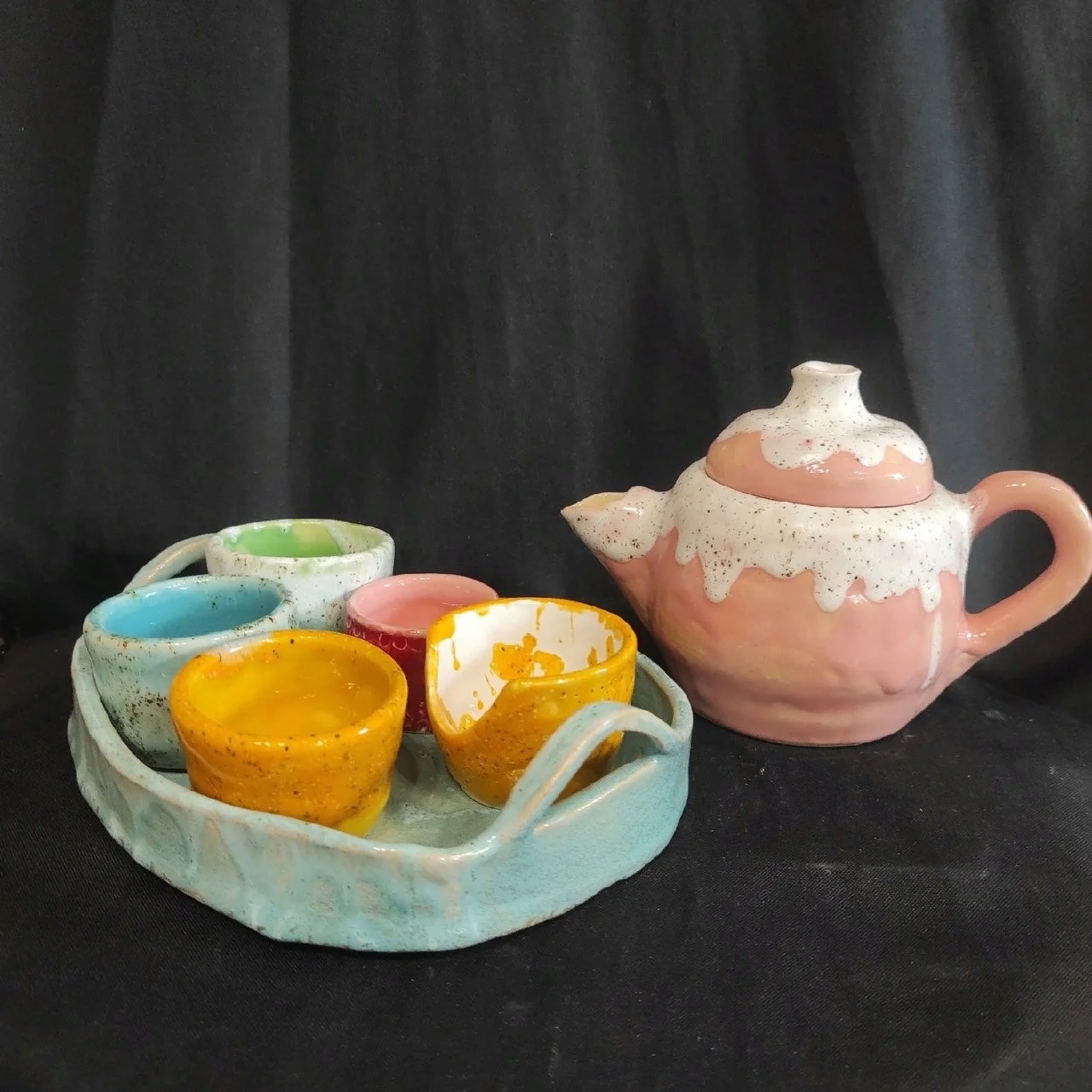
Glaze turns the matte, porous surface of clay into a smooth coating. After glazing, the piece not only looks better but also becomes waterproof and safe for contact with food. Glaze can be applied by dipping, pouring, spraying, or brushing after the first firing, and the piece is then fired again in a kiln.
An interesting detail: the color of the glaze can change during firing, so the final result may differ from what you expected. That unpredictability is part of the magic of ceramics.
How Difficult Is It to Learn Pottery on Your Own?
You don’t need special talent or an artistic background to start working with clay. However, learning pottery at home can be challenging without guidance from an experienced instructor, proper tools, and well-chosen materials.
If you want to learn how to make clay dishes, Pottery Studio 1 in LA invites you to join pottery classes and ceramic workshops. At the studio, you can explore different techniques for making clay pieces, shape your own pottery with guidance from experienced instructors, and learn both hand-building and wheel throwing.
You don’t need to bring your own materials or tools — everything you need is provided in the studio. And at the end of the class, you’ll take home a unique piece that you made with your own hands.
The article was written by Darya Obenauer is a professional potter trained in England at City Lit in London. She specializes in wheel throwing and handmade ceramics, combining traditional techniques with a modern aesthetic.