


How to Become Famous in Ceramic Art?!
Learn practical steps to grow your reputation in ceramic art—from building skills and a unique style to promoting your work and connecting with the right audience. This guide covers both creative and strategic ways to help you gain recognition as a ceramic artist.
How to Learn to Make Clay Dishes – A Step-by-Step Guide
Even if you don’t have an art background and have never worked with clay before, it is still possible to learn the basics of ceramics. The important thing is to know where to start.
What to Make from Clay as a Gift – Easy Ideas for Beginners
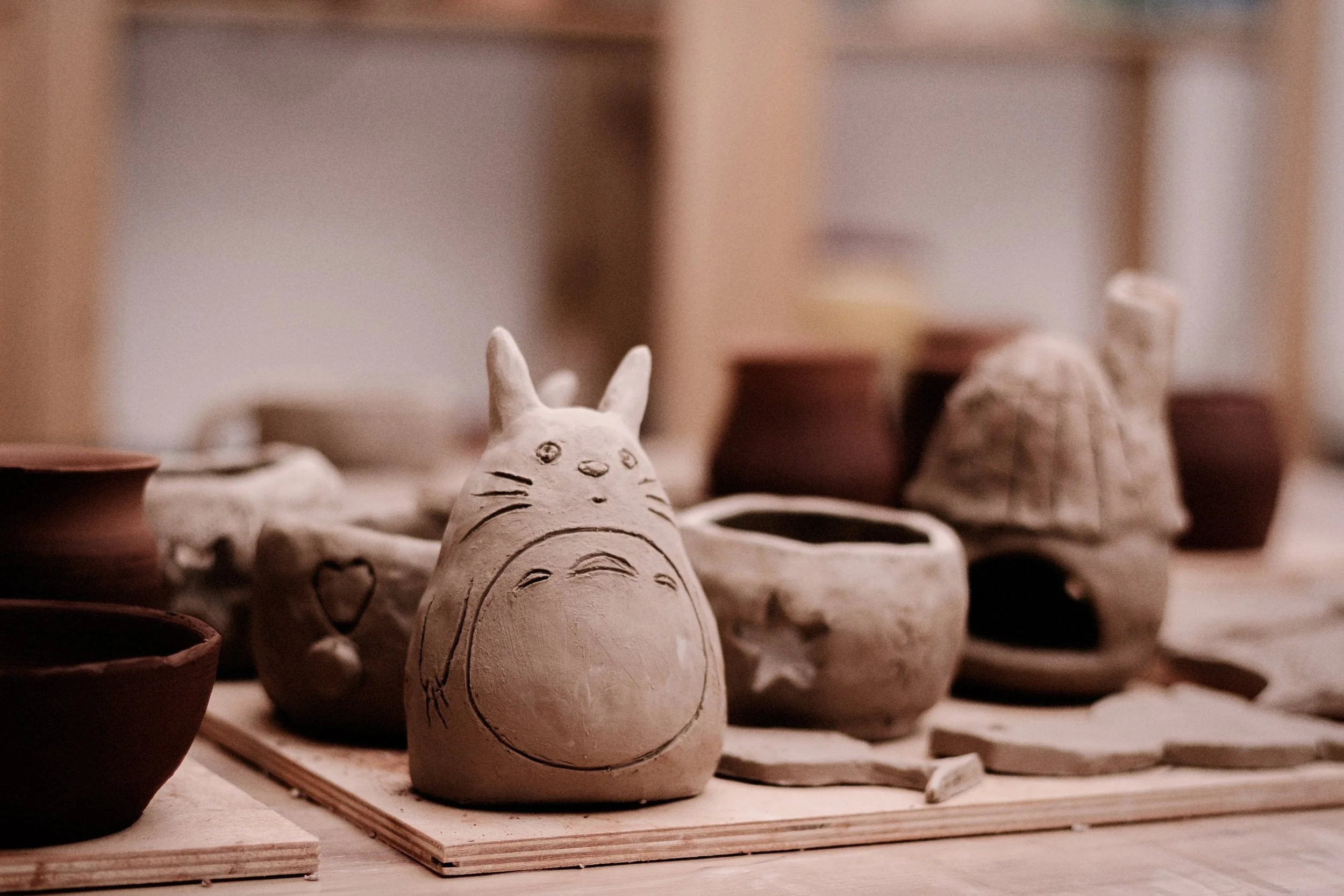
Clay is a soft and flexible material that responds well to your hands. If you want to try clay modeling, you don’t need to start with complicated projects. Even simple pieces made from clay can make someone happy. We collected some easy ideas for handmade clay gifts to help you choose something that feels manageable to create.
Popularity Ranking of Hand-Building Clay Pieces
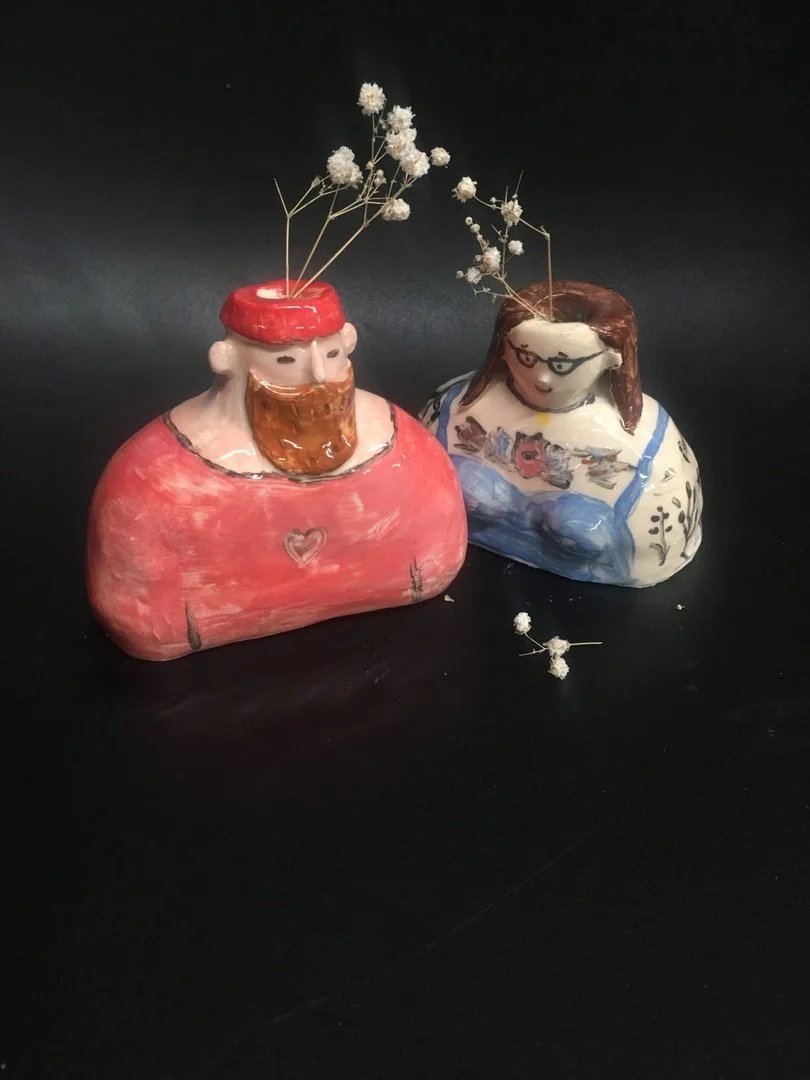
Handmade ceramics are also a strong trend in interior design. Unique clay pieces you won’t find in mass-market stores bring warmth, coziness, and the special energy of handmade work into a home. Want to know what participants in our pottery workshops love making the most? We analyzed the requests and are ready to present the top 10 most popular hand-built clay pieces.
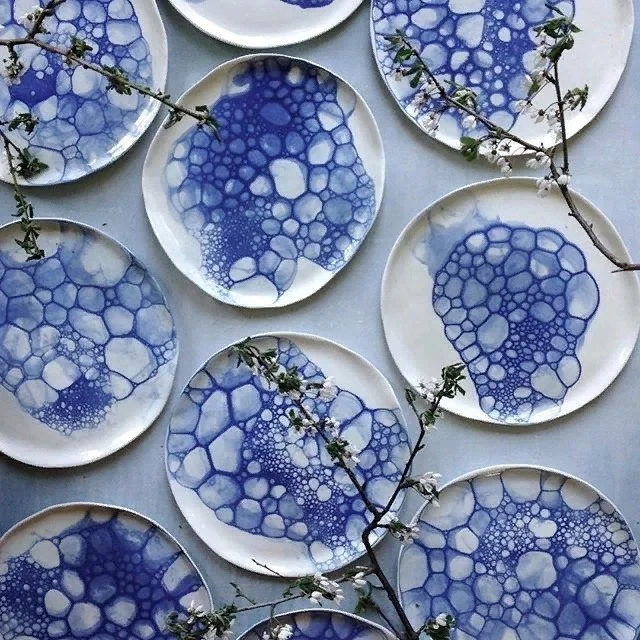
Making a Clay Plate
Making a plate is a great way to start learning pottery. The shape is simple and easy to understand, the tools are minimal, and almost any result looks good. Even beginners can make something beautiful. If you are unsure about your skills, you can join a class at Pottery Studio 1, where instructors guide you through every step. But first, let’s look at how a shapeless piece of clay turns into a plate.

Tip 12: Embrace Your Unique Journey
As mentioned earlier, pottery typically undergoes two firing stages: the bisque fire and the glaze fire. But why is firing in a kiln necessary? The bisque fire drives out moisture, organic matter, and carbon compounds from the clay, causing it to shrink and become rigid through a process called sintering.

Tip 11: Embrace Practice
As mentioned earlier, pottery typically undergoes two firing stages: the bisque fire and the glaze fire. But why is firing in a kiln necessary? The bisque fire drives out moisture, organic matter, and carbon compounds from the clay, causing it to shrink and become rigid through a process called sintering.

Tip 10: Safely Transporting Your Pottery
As mentioned earlier, pottery typically undergoes two firing stages: the bisque fire and the glaze fire. But why is firing in a kiln necessary? The bisque fire drives out moisture, organic matter, and carbon compounds from the clay, causing it to shrink and become rigid through a process called sintering.

Tip 9: Kiln Firing for Your Pottery
As mentioned earlier, pottery typically undergoes two firing stages: the bisque fire and the glaze fire. But why is firing in a kiln necessary? The bisque fire drives out moisture, organic matter, and carbon compounds from the clay, causing it to shrink and become rigid through a process called sintering.

TIP 8: Decorating Your Pottery
After shaping your pottery, whether through wheel throwing, hand-building, or slip casting, the next step is decorating it. Pottery typically undergoes two firings in a kiln. The initial firing, known as the bisque fire, transforms raw clay into ceramic material. The second firing, the glaze fire, involves melting a glazed finish onto the surface.

Tip 7: Online Learning Pottery
Leveraging Online Resources Embracing online resources can greatly assist in initiating your pottery hobby. These include pottery forums, social media groups, and online tutorials.

Tip 6: Enrolling in a Pottery Class as You Begin Your Pottery Journey
As you learn how to make pottery, you'll probably gather a collection of your favorite pottery tools. However, when you start practicing pottery, there are a few tools that are essential to begin with.

Tip 5: Clay Preparation
As you learn how to make pottery, you'll probably gather a collection of your favorite pottery tools. However, when you start practicing pottery, there are a few tools that are essential to begin with.

Tip 4: Comfortable Pottery Tools
As you learn how to make pottery, you'll probably gather a collection of your favorite pottery tools. However, when you start practicing pottery, there are a few tools that are essential to begin with.
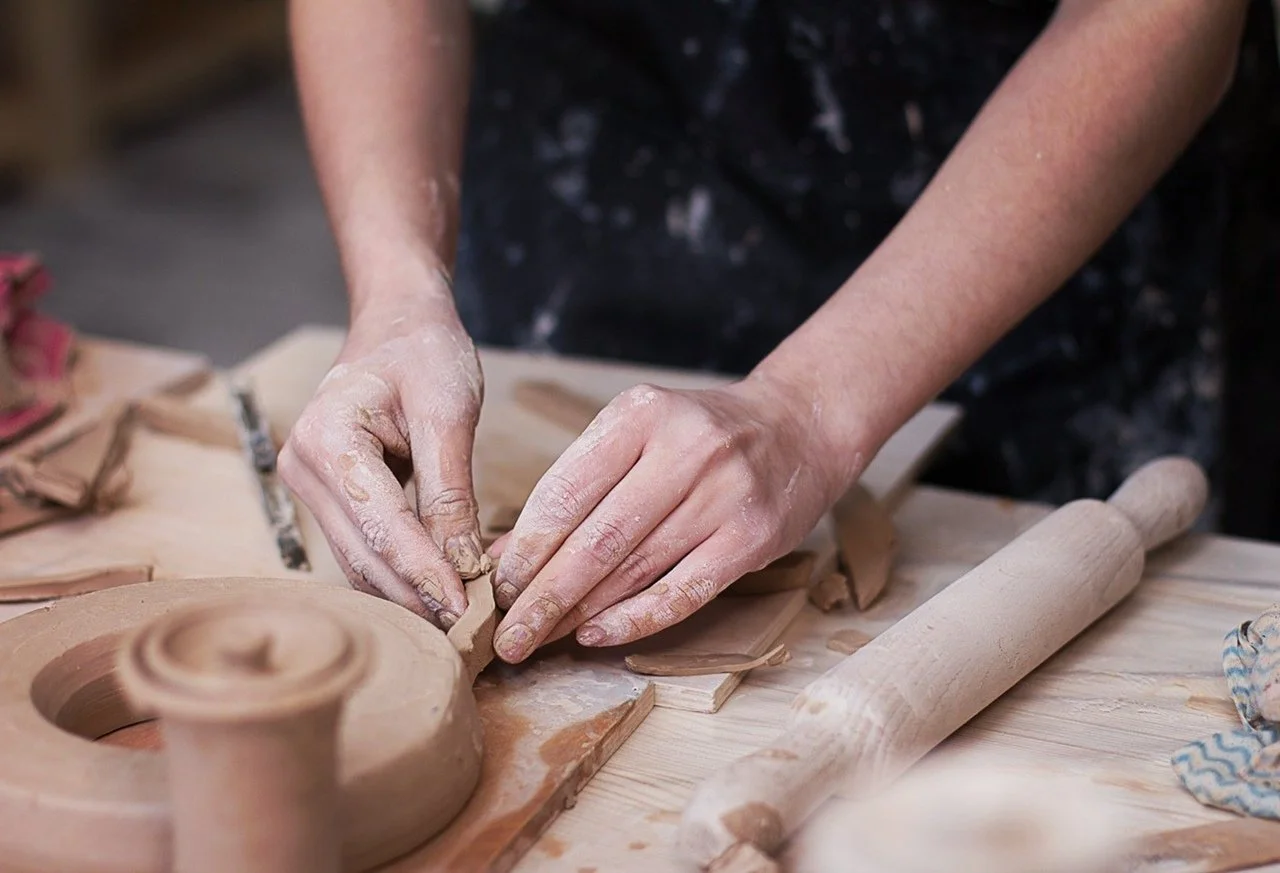
Tip 3: Essential Equipment When Starting Pottery Hobby
The equipment you need depends on which pottery method you want to start with.
This gives you an idea of the larger items in the kit that you'll need to start your pottery hobby.

Tip 2: Choosing Clay When Starting Pottery
If you want to start pottery, it can be hard to know where to begin. Like with any new endeavor, it might seem like there's a lot of information to learn. But don't worry, you just need to take it one step at a time. I've put together this handy list of top tips to help you get started with pottery.

12 tips to start pottery hobby - Beginner's guide. Tip 1
If you want to start pottery, it can be hard to know where to begin. Like with any new endeavor, it might seem like there's a lot of information to learn. But don't worry, you just need to take it one step at a time. I've put together this handy list of top tips to help you get started with pottery.